United Guardian Peace Force

United
Guardian
Peace Force
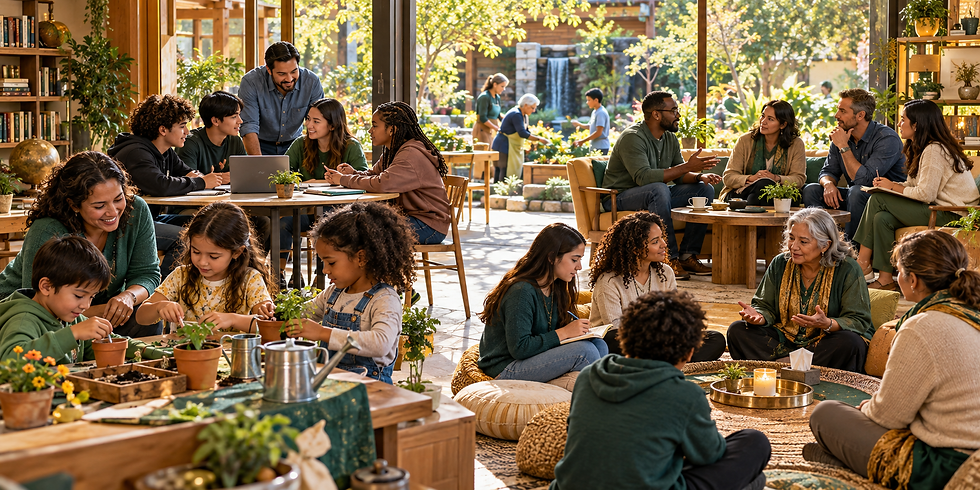
Many people, cultures, nations, generations, and identities moving together in a unified purpose.
Protection, service, responsibility for children, elders, nature, knowledge, and human dignity.
Organized civilian service with action, discipline, and purpose to protect and serve humanity.
Status and vision
Status: Proposed education and civilian service initiative.
Lead: Learn to recognize harm. Build the skills to help.
United Guardian Peace Force is our proposed service initiative within the Department of Safety, Human Dignity and Service. It connects education with practical care for people, communities, and the planet. Our aim is to cultivate people who can recognize danger, ask for help, respect human dignity, and contribute responsibly.
Safety begins with knowledge
We want learners to understand real problems without being overwhelmed or blamed for them. Planned lessons include internet and public-place safety, body autonomy, consent, bullying, harassment, abuse prevention, recognizing coercion, and finding trusted help. Older learners would examine sexual assault, trafficking, violence, traumatic stress, discrimination, and barriers to safety with qualified guidance appropriate to their development.
Safety is about behavior and boundaries, not simply whether someone is a stranger. Harm can involve someone a child knows. Every child deserves protection, and abuse is never the child’s fault. Our teaching would pair honest information with practical help-seeking skills and support.
Different ages and meaningful contributions
Younger learners could practice kindness, boundaries, safe routines, and supervised projects in familiar settings. Adolescents could build media literacy, bystander awareness, and community skills through carefully supervised learning. Eligible adult students, graduates, and community members could prepare for defined service roles with appropriate training and qualified organizations. Every contribution matters; no learner is responsible for saving the world alone.
Prevention, repair and emotional resilience
Safety education should also teach prevention before repair, direct communication, bystander choices, grief literacy, responsible help-seeking, and the difference between compassion and amateur treatment. Learners should understand that suffering is not always caused by the person experiencing it and that support begins with dignity rather than blame.
Dignity across generations
We seek to honor elders as knowledge holders, including those who challenged discrimination and helped advance equal rights. We also recognize their right to choice, independence, safety, and participation. Our proposed work would support children and adults facing harm or disadvantage, including children without consistent parental care, people with disabilities, survivors of violence, people experiencing homelessness or hunger, and people affected by substance use or social isolation.
Work that responds to real needs
Future projects could support food access, literacy, intergenerational learning, accessibility, environmental care, and referrals to qualified services. Appropriately trained adult teams might assist recognized missing-person or emergency-response organizations when requested and under their coordination. We would work with communities and existing services, with clear responsibilities and respect for privacy.
A worldwide vision built locally
We aspire to connect people across African cultures, Asian cultures, European cultures, the Americas, and Oceania. Local needs and knowledge would guide each project. Planned regional coordination is a future goal; no international branches or response teams are operating through this website.
Current stage
The department and United Guardian Peace Force are in development. Curriculum, leadership, partners, training, eligibility, and service opportunities have not yet been finalized. This is a civilian initiative, independent of the U.S. Peace Corps. It is not an emergency, policing, medical, or rescue service.